
A brighter smile can help a person feel more confident in photographs, at work, and during everyday conversations. Yet with whitening strips, toothpastes, custom trays, and in-office treatments all available, choosing the right approach can feel confusing.
Professional teeth whitening offers a supervised way to improve many common stains while keeping oral health and comfort in mind. For patients researching teeth whitening in Mount Pleasant, SC, understanding the available options is the first step toward natural-looking results.
This article provides general educational information and is not a substitute for an examination or personalized advice from a dentist. Anyone with tooth pain, gum irritation, dental restorations, or significant discoloration should consult a dental professional before whitening.
What Causes Teeth to Become Discolored?
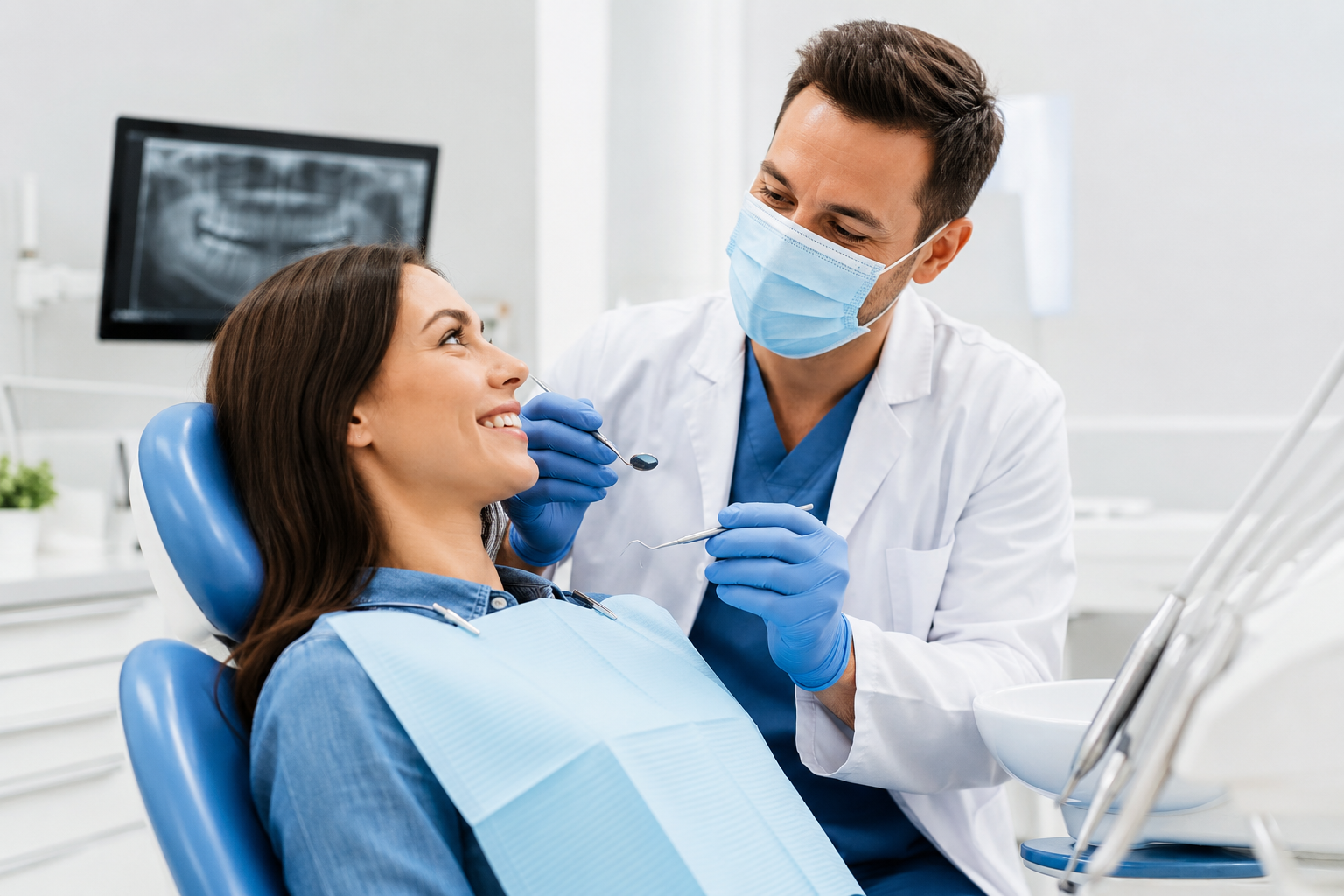
Teeth naturally vary in color, and they often become darker over time. The type and location of a stain help determine whether whitening is likely to work.
Surface stains
Surface stains, also called extrinsic stains, collect on the outside of the enamel. Common contributors include:
- Coffee and tea
- Red wine and dark-colored foods
- Tobacco use
- Plaque and tartar buildup
- Natural changes associated with aging
A professional cleaning can remove some deposits and external stains. However, cleaning and whitening serve different purposes. A cleaning supports oral health by removing plaque and hardened tartar, while whitening uses bleaching agents to lighten pigments within the tooth structure.
Discoloration within a tooth
Intrinsic discoloration develops inside the tooth. It may relate to tooth development, previous trauma, certain medications, or changes following root canal treatment. These cases require careful evaluation because ordinary whitening may not address the underlying source.
A single tooth that has become darker after a root canal is a good example. Because the discoloration is internal, whitening gel applied to the outside may have little effect. In an appropriate case, a dentist or endodontist may discuss internal bleaching instead.
How Professional Teeth Whitening Works
Most whitening systems use peroxide-based ingredients that penetrate enamel and break down stain molecules. The goal is to make discoloration less concentrated so the teeth appear lighter.
Professional whitening differs from a one-size-fits-all store product because a dental team can first examine the teeth and gums. This assessment helps identify cavities, cracks, gum inflammation, exposed roots, or restorations that could affect comfort and results.
According to the American Dental Association, dental supervision and customization help balance whitening speed, patient expectations, and protection of the mouth’s soft tissues.
In-office whitening
In-office treatment is designed for patients who prefer noticeable whitening during a dental visit. The dental team protects the gums and other soft tissues before applying a professional-strength whitening material to the teeth.
This option offers close supervision and allows the provider to monitor comfort throughout the appointment. The final shade varies because every smile starts from a different baseline and not all discoloration responds in the same way.
Custom take-home whitening trays
Custom trays are made to fit closely over the teeth. Patients place a prescribed amount of whitening gel in the trays and wear them according to the dental team’s directions.
This approach allows whitening to happen gradually at home. It may also be useful for future touch-ups when recommended by the provider. Charleston Endo Perio offers both in-office whitening and take-home bleaching trays for eligible patients.
Over-the-counter products
Whitening strips, gels, and toothpastes are widely available. They may help with mild surface discoloration, but the fit, ingredient strength, and application method are not personalized.
Whitening toothpaste generally removes or limits surface stains rather than changing the tooth’s natural internal color. Abrasive products should not be used excessively, and whitening gel that repeatedly touches the gums can cause irritation. A dentist can help a patient compare products and avoid unnecessary discomfort.
Who May Be a Good Candidate for Whitening?
Professional whitening may be suitable for an adult with healthy teeth and gums who wants to improve yellowing or common food-and-drink stains. A consultation is still important, even when the teeth feel fine.
Whitening may need to wait or be modified when a patient has:
- Untreated tooth decay
- Cracked or damaged teeth
- Active gum inflammation or periodontal disease
- Significant existing sensitivity
- Exposed tooth roots
- A single dark tooth
- Crowns, veneers, bonding, or tooth-colored fillings in visible areas
Dental restorations do not bleach like natural enamel. If the surrounding teeth become lighter, an older crown or filling may stand out. The provider can explain whether whitening should take place before another cosmetic or restorative procedure so the shades can be coordinated.
What Is Internal Bleaching?
Internal bleaching is a specialized procedure for certain teeth that have already received root canal treatment. Rather than placing whitening material only on the outer surface, the clinician accesses the inside of the treated tooth and places the material within it.
The tooth must first be examined to determine why it is discolored and whether its previous root canal treatment and restoration are in acceptable condition. Internal bleaching is not the same as routine whole-smile whitening, and it is not appropriate for every dark tooth.
Charleston Endo Perio provides internal teeth bleaching in Mount Pleasant for appropriate root canal-treated teeth. An endodontic evaluation can help determine whether this focused approach or another restorative option makes sense.
Will Teeth Whitening Cause Sensitivity?
Temporary tooth sensitivity is one of the most common concerns associated with whitening. Some patients describe a brief zing or increased sensitivity to cold. Gum irritation can also occur if whitening material contacts the soft tissues.
These effects are often temporary, but patients should tell the dental team about existing sensitivity before treatment. Depending on the situation, the provider may adjust the whitening approach, recommend a sensitivity toothpaste, alter application frequency, or advise stopping until the mouth can be evaluated.
Severe pain, swelling, prolonged irritation, or discomfort focused on one tooth should not be assumed to be a normal whitening response. Those symptoms warrant a call to a dental professional.
What Results Can a Patient Expect?
Whitening can create a meaningful change, but the outcome depends on the starting shade, type of stain, oral health, and chosen treatment. Yellow-toned discoloration often responds more predictably than gray or deeply internal discoloration.
The aim is not always the brightest possible shade. Many patients prefer an even, refreshed smile that still looks natural. A dental consultation provides an opportunity to discuss expectations and identify any teeth that may whiten differently from the others.
Whitening is also not permanent. Teeth remain exposed to colorful foods, drinks, and normal aging. Touch-ups may be appropriate, but they should follow professional directions rather than an assumption that more gel or longer wear will produce a better result.
How to Help a Whiter Smile Last
Simple daily habits can help reduce new surface stains and protect overall oral health:
- Brush twice daily with fluoride toothpaste.
- Clean between the teeth each day.
- Keep regular dental cleaning and examination appointments.
- Rinse with water after coffee, tea, or other strongly colored drinks.
- Avoid tobacco products.
- Use whitening products only as directed.
- Ask the dental team when a touch-up is appropriate.
These steps cannot stop all color changes, but they can support a cleaner, healthier smile and help preserve the appearance of whitening.
How Much Does Teeth Whitening Cost in Mount Pleasant, SC?
The cost of whitening varies according to the treatment method, the condition of the teeth and gums, and whether custom trays or additional care are needed. In-office whitening and take-home systems have different fee structures.
Because whitening is generally considered cosmetic, dental insurance may not cover it. Patients should request a personalized estimate before treatment and ask what the quoted fee includes, such as custom trays or future touch-up gel.
Frequently Asked Questions About Teeth Whitening
Does whitening damage tooth enamel?
Whitening products should be selected and used carefully. Professional oversight helps ensure that the teeth and gums are evaluated first and that the product is used as directed. Improvised home remedies and excessive product use may increase irritation or wear without delivering predictable results.
Can crowns, veneers, or fillings be whitened?
No. Whitening changes the color of natural tooth structure but does not lighten porcelain, composite bonding, or other restorative materials. A dentist can assess how existing dental work may affect the final appearance.
Should teeth be cleaned before whitening?
A cleaning may be recommended when plaque, tartar, or surface stains are present. Removing these deposits can create a cleaner surface and allows the dental team to evaluate gum health before whitening begins.
Can one dark tooth be whitened?
Possibly, but the cause must be identified first. A root canal-treated tooth with internal discoloration may be considered for internal bleaching. A tooth that darkens after an injury or without an obvious reason should be evaluated promptly rather than treated with a store-bought whitener.
How long will the results last?
There is no universal timeline. Diet, tobacco use, oral hygiene, the original type of stain, and the whitening method all influence how long the smile stays lighter. Periodic professional guidance and appropriate touch-ups can help maintain the result.
Is professional whitening better than whitening strips?
The best choice depends on the patient’s goals, oral health, sensitivity, and type of discoloration. Professional care provides an examination, customized recommendations, gum protection, and supervised treatment. Some patients with mild staining may still consider an over-the-counter option after discussing it with a dental professional.
Explore Teeth Whitening in Mount Pleasant, SC
A brighter smile begins with understanding what caused the discoloration and choosing a method suited to the individual tooth or smile. Professional guidance is especially valuable when a patient has sensitivity, dental restorations, gum concerns, or one tooth that looks darker than the rest.
Charleston Endo Perio welcomes patients at 910 Johnnie Dodds Blvd, Suite 120, Mount Pleasant, SC 29464. Patients interested in professional whitening, take-home trays, or internal bleaching for a root canal-treated tooth can contact the practice to ask questions and schedule an evaluation.
