
Dental Implants in Mount Pleasant, SC: A Patient-Friendly Guide
A missing tooth can affect much more than the appearance of a smile. It may change how a person chews, speaks, or feels in social situations. Fortunately, modern dentistry offers several ways to replace missing teeth, including dental implants.
For patients researching dental implants in Mount Pleasant, SC, understanding the process can make the next step feel less overwhelming. An implant is not simply a replacement tooth placed in one visit. It is a carefully planned restoration that involves the gums, jawbone, implant, and visible replacement tooth.
This guide explains the basics in plain language, including candidacy, treatment stages, recovery, cost factors, and questions to ask during a consultation.
This article provides general educational information and is not a diagnosis or treatment recommendation. A dental professional must examine the mouth and review the patient's health history to determine whether implant treatment is appropriate.
What Is a Dental Implant?
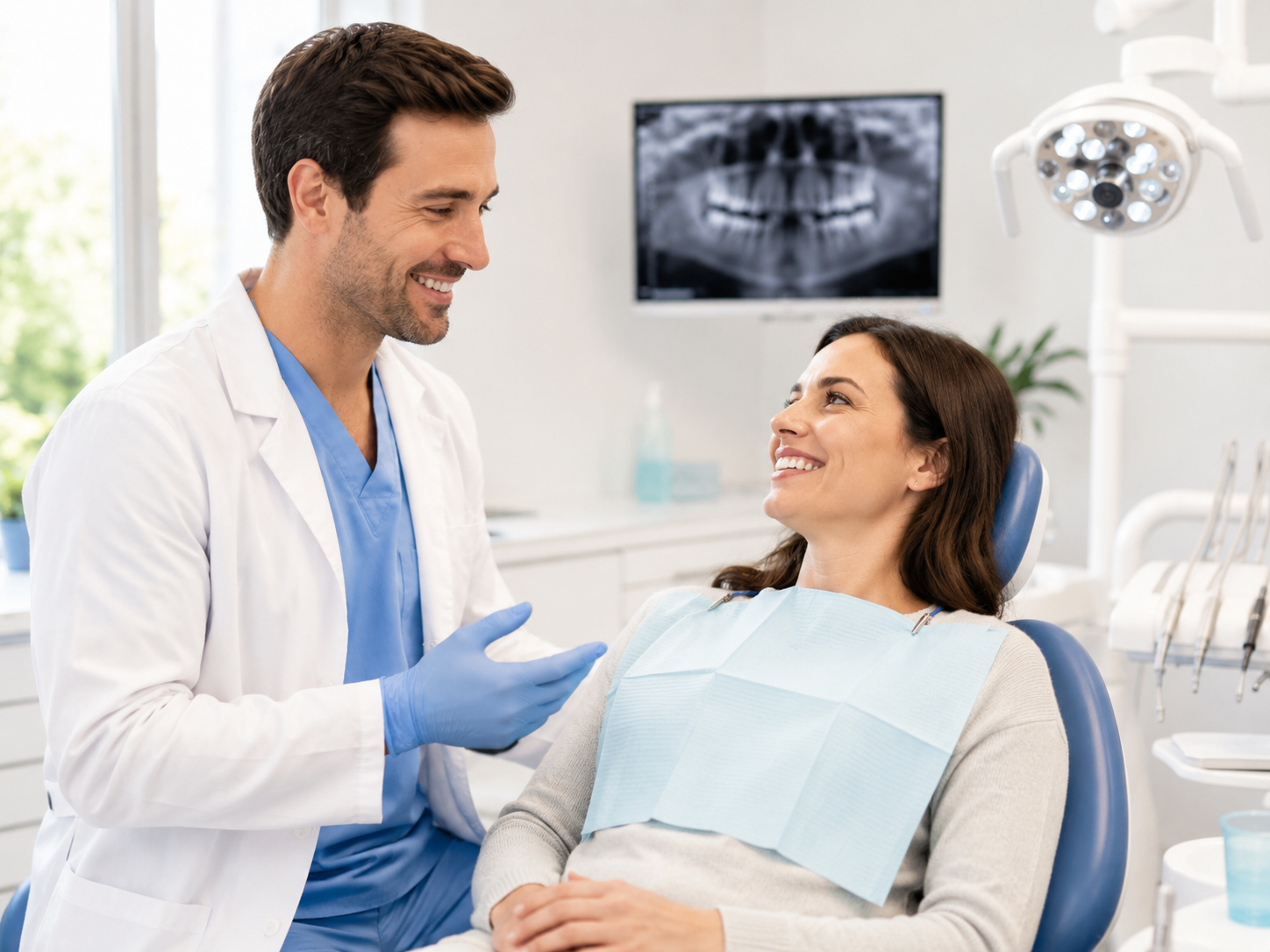
A dental implant is a small post placed in the jaw to serve as an artificial tooth root. Once the area has healed appropriately, the implant can support a replacement tooth or another type of dental restoration.
A typical implant restoration has three main components:
- The implant: The portion positioned within the jawbone.
- The abutment: A connector that attaches to the implant.
- The restoration: The visible crown, bridge, or implant-supported prosthesis used to replace missing teeth.
Because every mouth is different, the exact design and sequence may vary. Some patients need one implant for a single missing tooth, while others may use implants to support a bridge or stabilize a larger restoration.
Why Do Patients Consider Dental Implants?
Patients often explore implants because they want a replacement that feels stable and does not rely solely on removable support. An implant may also allow a dentist to replace a missing tooth without preparing neighboring teeth for a traditional bridge, depending on the clinical situation.
Potential reasons to consider implant treatment include:
- Replacing one missing tooth
- Replacing several teeth with an implant-supported bridge
- Improving the support of certain removable or fixed restorations
- Restoring chewing function and smile appearance
- Creating a treatment plan designed around long-term oral health
Implants are not automatically the right answer for every patient. A conventional bridge, removable partial denture, or full denture may be more appropriate in some situations. The best option depends on oral health, medical considerations, personal goals, treatment time, and budget.
Who May Be a Candidate for Dental Implants?
Many adults with missing or failing teeth can be evaluated for implant treatment. Age alone does not answer whether someone qualifies. The clinician looks at the health and structure of the mouth as well as the person's overall health.
An implant evaluation commonly considers:
- The amount and condition of bone in the planned area
- Gum health and the ability to keep the area clean
- The position of nearby teeth and important anatomical structures
- Bite forces and habits such as clenching or grinding
- Smoking or tobacco use
- Medical conditions, current medications, and previous procedures
- The patient's goals and ability to complete follow-up care
Having bone loss or gum disease does not necessarily close the door on implants. It may mean that additional treatment or a different plan is needed before placement. A periodontist, who focuses on the gums and tooth-supporting structures, can help assess these concerns.
Why a Complete Medication Review Matters
Patients should give the implant team an accurate list of prescription medicines, over-the-counter products, vitamins, and supplements. Certain health conditions and medications can influence surgical planning, inflammation, bleeding, and healing. Medical research also shows that bone healing around implants is biologically complex, which is one reason patients should not start or stop medicine without guidance from the prescribing clinician and dental specialist. A published review discusses the importance of thoughtful perioperative medication management in medically complex patients.
What Happens During the Dental Implant Process?
Implant care usually occurs in stages. The timeline and number of appointments depend on the condition of the tooth, available bone, gum health, type of restoration, and how the area heals.
1. Consultation and Planning
The first visit may include a review of symptoms, dental history, medical history, and treatment goals. The clinician examines the teeth and gums and may recommend dental imaging to study the area in greater detail.
This is also the time to discuss alternatives. A patient should understand why an implant is being recommended, whether other procedures may be needed, and who will complete each stage of care.
2. Preparatory Care, If Needed
Some patients can proceed directly to implant placement. Others may first need treatment for active gum concerns, removal of a damaged tooth, or a procedure intended to improve the supporting site.
If preparatory treatment is recommended, the clinician should explain its purpose and how it affects the overall sequence. A recommendation for extra steps does not mean implant treatment has failed before it begins; it means the foundation needs attention.
3. Implant Placement
During placement, the area is numbed for comfort, and the implant is positioned according to the treatment plan. Sedation options may be discussed when appropriate, based on the patient's health, anxiety level, and procedure.
Post-treatment instructions may address oral hygiene, eating, activity, and medication use. Patients should follow the specific instructions provided by their own clinical team rather than relying on generalized online advice.
4. Healing and Osseointegration
Recovery is easier to understand when it is divided into separate phases:
- Early symptom recovery refers to the period when tenderness, swelling, and day-to-day discomfort begin to settle.
- Soft-tissue healing describes the gums closing and maturing around the treated area.
- Osseointegration is the gradual biological process through which the implant becomes supported by the surrounding bone.
- Final restoration occurs only after the clinical team decides the implant and surrounding tissues are ready for the planned tooth replacement.
These phases are related, but they are not interchangeable. A patient may feel comfortable before deeper bone healing is complete. For that reason, feeling better does not mean it is safe to skip follow-up visits or chew on the area earlier than advised.
5. Placement of the Final Tooth or Restoration
When the implant is ready, the restorative dentist takes the steps needed to design and attach the final crown, bridge, or other prosthesis. The team evaluates appearance, fit, bite, and cleanability.
In some cases, a temporary tooth may be available during treatment. That possibility depends on the location, stability, bite, and other clinical factors, so it should not be assumed before an examination.
What Does Recovery Feel Like?
Experiences vary by patient and procedure. Some temporary tenderness or swelling may occur after oral surgery, but the treating office should explain what is expected for the individual procedure and how discomfort should be managed.
Patients should contact their dental team if symptoms seem severe, worsen rather than improve, or do not match the instructions they received. Prompt guidance is also important for persistent bleeding, fever, drainage, a change in the bite, or concern that a component feels loose.
Only the treating clinician can determine whether a symptom is part of expected healing or needs an in-person evaluation.
How to Care for a Dental Implant
An implant cannot develop a cavity, but the gums and bone around it still require consistent care. Plaque buildup and inflammation can threaten the tissues supporting an implant.
Long-term care generally includes:
- Brushing thoroughly every day
- Cleaning around and between the restoration with recommended tools
- Attending professional cleanings and implant evaluations
- Avoiding tobacco
- Using a nightguard if one is prescribed for clenching or grinding
- Reporting looseness, bleeding, soreness, or bite changes promptly
The dental team can demonstrate the best cleaning method for the specific restoration. A single implant crown may require a different approach from an implant-supported bridge or full-arch prosthesis.
What Affects the Cost of Dental Implants?
There is no single fee that applies to every implant case. The overall cost can depend on the number of missing teeth, type of restoration, imaging, sedation, extraction needs, site preparation, materials, and insurance benefits.
When comparing estimates, patients should ask what each quote includes. A low advertised price may refer only to one component rather than the complete process. A written plan should clarify the anticipated fees for implant placement, abutment, final restoration, and any additional procedures.
Dental insurance coverage varies. The office can help a patient understand estimated benefits, but an insurance estimate is not always a guarantee of payment.
Choosing an Implant Team in Mount Pleasant
Successful treatment begins with careful evaluation and clear communication. Patients looking for dental implants in Mount Pleasant, SC, may benefit from asking:
- Who will plan and place the implant?
- Who will create the final restoration?
- What imaging is needed?
- Are the gums and supporting bone healthy enough?
- What alternatives should be considered?
- What are the major risks in this particular case?
- What will happen if additional treatment becomes necessary?
- How will maintenance be coordinated after treatment?
Charleston Endo Perio provides periodontal, endodontic, and dental implant care in Mount Pleasant. Its periodontal services include dental implant evaluation and treatment.
Frequently Asked Questions About Dental Implants
Are dental implants painful?
The area is typically numbed during placement, and comfort options can be discussed before treatment. The experience afterward varies with the procedure and the individual. The clinician should provide personalized instructions for managing expected discomfort and explain which symptoms warrant a call.
How long does the entire implant process take?
There is no universal timeline. The full process may include tooth removal, site preparation, implant placement, osseointegration, gum healing, and fabrication of the final restoration. The treatment team can provide a more meaningful estimate after examining the area.
Can an implant be placed immediately after an extraction?
Immediate placement may be considered in selected situations, but it is not appropriate for every site. Bone condition, gum health, infection concerns, implant stability, and restorative needs all influence the decision.
Can someone with gum disease receive an implant?
A history of gum disease does not automatically rule out an implant. However, active disease and ongoing inflammation need careful evaluation and management. Consistent maintenance is especially important for protecting the tissues around the implant.
Are dental implants permanent?
No dental treatment can be guaranteed to last forever. Implant longevity depends on healing, oral hygiene, gum and bone health, bite forces, general health, tobacco use, restoration condition, and ongoing professional care. The restoration may also need maintenance or replacement even when the implant itself remains stable.
Is an implant better than a bridge?
Neither option is best in every case. An implant may avoid using adjacent teeth for support, while a bridge may suit a patient who prefers a different timeline or is not a candidate for surgery. A dentist can compare the advantages, limitations, maintenance needs, and total costs for the specific situation.
Take the Next Step With a Personalized Consultation
Dental implants can provide a stable, natural-looking way to replace missing teeth, but thoughtful planning matters. The right plan should account for the gums, bone, bite, medical history, comfort preferences, and long-term maintenance—not just the empty space.
Patients considering dental implants in Mount Pleasant, SC, can contact Charleston Endo Perio at 910 Johnnie Dodds Blvd, Suite 120, Mount Pleasant, SC 29464. A consultation offers an opportunity to ask questions, review available options, and learn what approach may be appropriate for the patient's individual needs.
