
How to Choose a Dentist in Mount Pleasant, SC: A Patient-Friendly Guide
Finding the right dentist in Mount Pleasant, SC, involves more than choosing the closest office. Patients also want to feel heard, understand their treatment options, and know where to turn if they need specialized care.
The good news is that choosing a dental provider does not have to feel overwhelming. By considering the type of care needed, the practice’s approach to comfort, and how clearly the team communicates, patients can make a more confident decision for themselves and their families.
This article provides general educational information and is not a substitute for an examination, diagnosis, or personalized advice from a licensed dental professional.
What to Look for in a Dentist in Mount Pleasant, SC
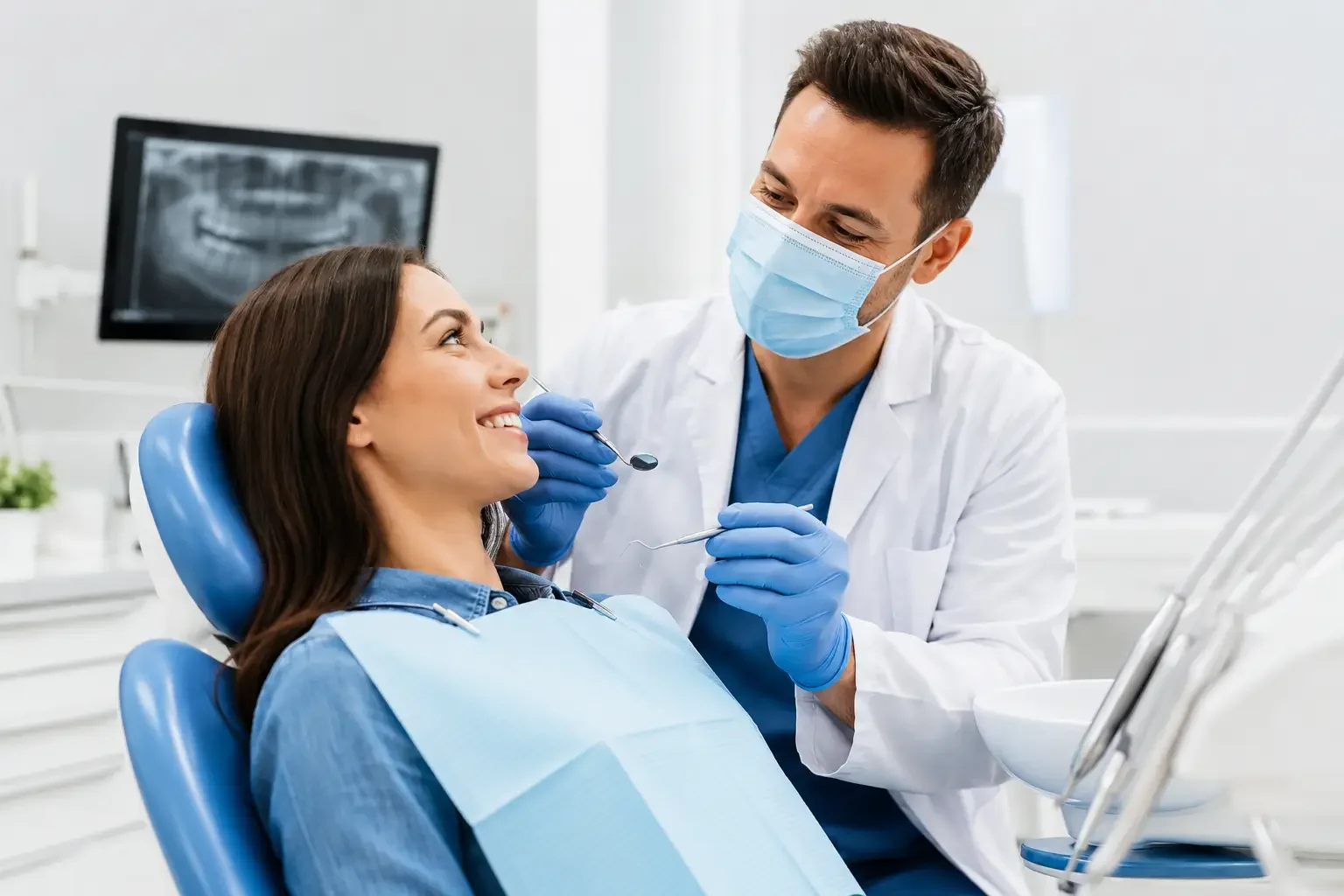
Every patient has different priorities. One person may be looking for routine cleanings near home, while another may need help with persistent tooth pain, gum disease, or a missing tooth. Starting with a short list of practical needs can make the search easier.
Convenient location and office hours
A convenient office makes it easier to keep appointments and follow through with recommended care. Patients may want to consider travel time from home, school, or work, as well as parking availability and appointment hours.
It is also helpful to ask how the office handles urgent concerns. Some practices reserve time for dental emergencies, while others may refer patients to another provider depending on the condition and the treatment required.
Clear and respectful communication
A good dental experience begins with communication. The dentist and care team should be willing to explain what they see, why they recommend a particular option, and what alternatives may be available.
Patients should feel comfortable asking questions such as:
What is causing the problem?
What happens if treatment is postponed?
Are there alternatives to the recommended procedure?
What should be expected during and after treatment?
How much may insurance cover?
A trustworthy office should not make a patient feel rushed or embarrassed for asking questions. Dental decisions are often easier when the patient understands both the benefits and limitations of each option.
A focus on prevention
Preventive dental care is about identifying concerns before they become more complicated. A general dentist may recommend examinations, professional cleanings, appropriate X-rays, and personalized home-care guidance based on the patient’s oral health.
Prevention is not identical for everyone. A person with a history of gum problems, frequent cavities, dry mouth, or extensive dental work may need a different care schedule than someone with few ongoing concerns. The dentist should explain why a particular follow-up schedule is appropriate rather than relying on a one-size-fits-all plan.
General Dentists and Dental Specialists: What Is the Difference?
A general dentist is often the starting point for routine and restorative dental care. Depending on the practice, services may include examinations, cleanings, fillings, crowns, bridges, cosmetic procedures, and other common treatments.
Some conditions benefit from evaluation by a specialist with advanced training in a particular area. A referral does not necessarily mean that the problem is unusually severe. It may simply mean that the patient needs focused expertise, specialized technology, or a procedure outside the general office’s usual scope.
When an endodontist may be involved
Endodontists focus on diagnosing and treating concerns involving the inside of a tooth. They commonly evaluate tooth pain and perform procedures intended to address an inflamed, infected, or previously treated tooth.
Charleston Endo Perio’s endodontic services include root canal treatment, root canal retreatment, internal bleaching, apicoectomy, tooth removal, and sedation options. The appropriate recommendation depends on an examination and the needs of the individual tooth.
Patients should arrange a dental evaluation for symptoms such as ongoing tooth pain, pain when biting, swelling, or a tooth that has become noticeably darker. These symptoms can have several causes, so they cannot confirm whether root canal treatment or another procedure is needed.
When a periodontist may be involved
Periodontists concentrate on the gums and the structures supporting the teeth. A general dentist may recommend a periodontal consultation when a patient has complex gum concerns, needs certain gum procedures, or is considering dental implants.
Periodontic services at Charleston Endo Perio include periodontal care, dental implants, and emergency evaluations. Recommendations are based on factors such as oral health, medical history, gum condition, and available bone support.
How dental implants fit into coordinated care
A dental implant replaces the root portion of a missing tooth and can support a planned restoration. Implant care often requires coordination among the clinician who places the implant, the restorative dentist, and sometimes other specialists.
Treatment includes several distinct stages. Early symptom improvement after a procedure is not the same as soft-tissue healing. Likewise, soft-tissue healing is separate from osseointegration, the biological process through which an implant becomes integrated with the surrounding bone. The final crown, bridge, or other restoration is completed according to the individual treatment plan rather than immediately in every case.
Research has documented that titanium implants can osseointegrate with surrounding living tissues, but suitability and outcomes vary by patient. A complete evaluation is needed to assess oral health, bone support, medical considerations, and restoration goals. Patients can read more about the practice’s dental implant planning and services, as well as a published overview of implant outcomes in routine clinical practice.
Comfort and Dental Anxiety Matter
Dental anxiety is common, and patients should not feel ashamed to mention it. Telling the office about previous experiences, a sensitive gag reflex, difficulty becoming numb, or fear of a particular procedure gives the team an opportunity to plan more thoughtfully.
Comfort measures may include clear explanations, breaks during treatment, local anesthesia, or sedation when clinically appropriate. Sedation is not automatically suitable for every patient. The care team needs to review health history, medications, the planned procedure, and transportation or preparation requirements before recommending an option.
Before an appointment, an anxious patient may benefit from asking:
Can the procedure be explained before it begins?
What comfort or sedation options may be available?
Will a driver be required?
Are there eating, drinking, or medication instructions?
How can the patient signal that a break is needed?
Insurance, Costs, and Treatment Planning
Dental costs depend on the diagnosis, procedure, materials, imaging needs, insurance benefits, and complexity of care. An advertised starting price may not reflect everything needed for a specific case.
Before treatment, patients can request a written estimate and ask which services are included. Useful questions include whether the practice is in network, whether a referral or preauthorization is required, and whether separate fees may come from another dentist or laboratory.
Insurance estimates are not guarantees of payment. The final amount is determined by the patient’s plan and benefits at the time the claim is processed. If cost is a concern, discussing priorities and payment arrangements before treatment can help prevent surprises.
Preparing for a First Appointment
A little preparation can make a consultation more productive. Patients should bring identification, insurance information, a medication list, and relevant dental records if requested. They should also share allergies, medical conditions, previous treatment experiences, and any current symptoms.
It can help to write down when a symptom began, what makes it better or worse, and whether there has been swelling, sensitivity, or a recent injury. These details do not replace an examination, but they give the clinician useful context.
Patients seeking specialty care should ask whether the office needs a referral or recent X-rays. Even when previous images are available, the specialist may recommend additional imaging if a different view is necessary for treatment planning.
Frequently Asked Questions
How often should someone visit a dentist?
The appropriate schedule depends on the person’s oral health, risk factors, previous treatment, and current symptoms. A dentist can recommend an individualized interval after an examination rather than assuming the same schedule is right for every patient.
Does tooth pain always mean a root canal is needed?
No. Tooth pain can come from several possible sources, including the tooth itself, the gums, the bite, or nearby structures. Only a clinical examination and any necessary imaging can determine the likely cause and appropriate treatment.
Can a patient contact a specialist directly?
Policies vary by practice and insurance plan. Some specialists accept direct appointment requests, while certain insurance plans may require a referral. Patients can contact the office and their insurer to confirm requirements.
What should someone do about facial swelling or severe dental pain?
The person should contact a dentist promptly for guidance. Difficulty breathing or swallowing, rapidly increasing swelling, or other severe symptoms may require emergency medical attention. Online information should not be used to diagnose an urgent condition.
What is the difference between implant healing and receiving the final tooth?
They are separate stages. Initial symptoms may settle before the soft tissues have fully healed. Bone integration occurs beneath the surface, and the final restoration is placed according to the clinical plan. The timing varies with the procedure, healing response, and restorative needs.
How can a patient tell whether a dental office is a good fit?
A good fit usually combines appropriate clinical services, clear explanations, respectful care, practical access, and transparent financial communication. Patients should feel able to ask questions and understand the next step before agreeing to treatment.
Finding the Right Dental Care in Mount Pleasant
Choosing a dentist is ultimately about finding the right level of care for the patient’s needs. Routine preventive care may begin with a general dentist, while concerns involving the inside of a tooth, the gums, supporting bone, or dental implants may call for specialist input.
Charleston Endo Perio provides endodontic, periodontal, and dental implant care at 910 Johnnie Dodds Blvd, Suite 120, Mount Pleasant, SC 29464. Patients with questions about a referral, a recommended procedure, or an ongoing dental concern can contact the practice to discuss the appropriate next step. An in-person consultation allows the care team to evaluate the situation and offer recommendations tailored to the individual patient.
